Table of contents
Why Instant Adhesives Demand Precision

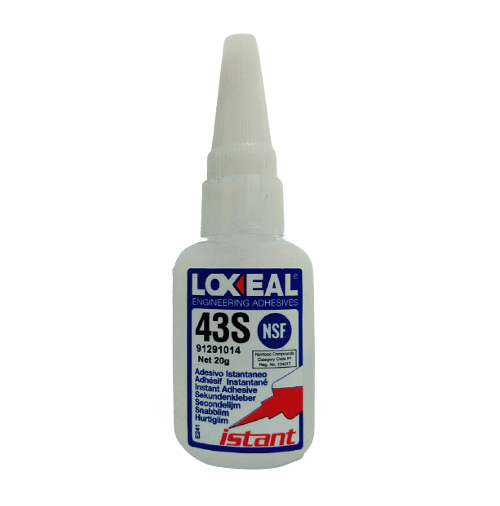
Instant Adhesives— known in production as superglue, Cyanoacrylate adhesive, or by brand names such as Fevikwik, Loxeal 43s and Loctite 401 — are recognized for one thing: curing speed. Instant adhesive cures quickly, bonds a wide range of materials, and is widely used across electronics, automotive components, sensors, medical devices, and electromechanical assemblies.
But that same speed can make Instant Adhesive difficult to control and handle in production, making the selection of the right Instant adhesive dispensing machine critical for consistent manufacturing.
Its low viscosity allows it to flow easily, while its rapid curing leaves little room for variation. A small difference in adhesive quantity or placement can affect bond quality, appearance, and material consumption.
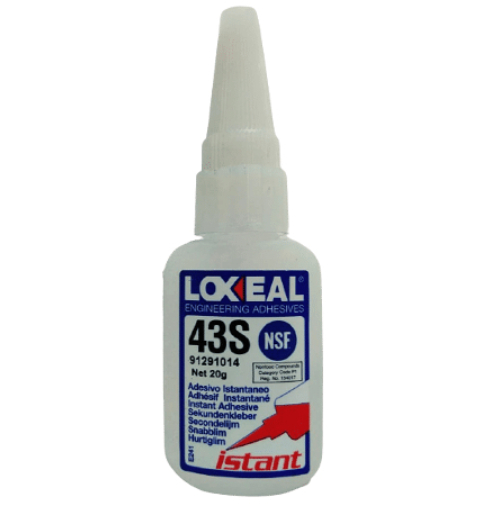
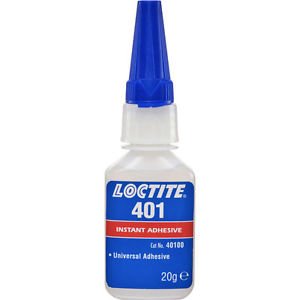
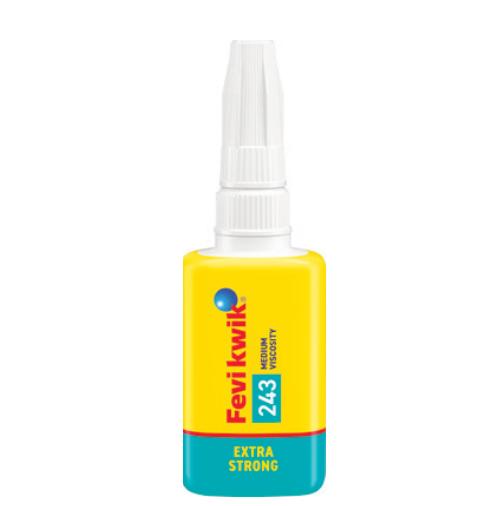
The Challenge with Manual Instant adhesive Dispensing
How consistent can every manual application really be?
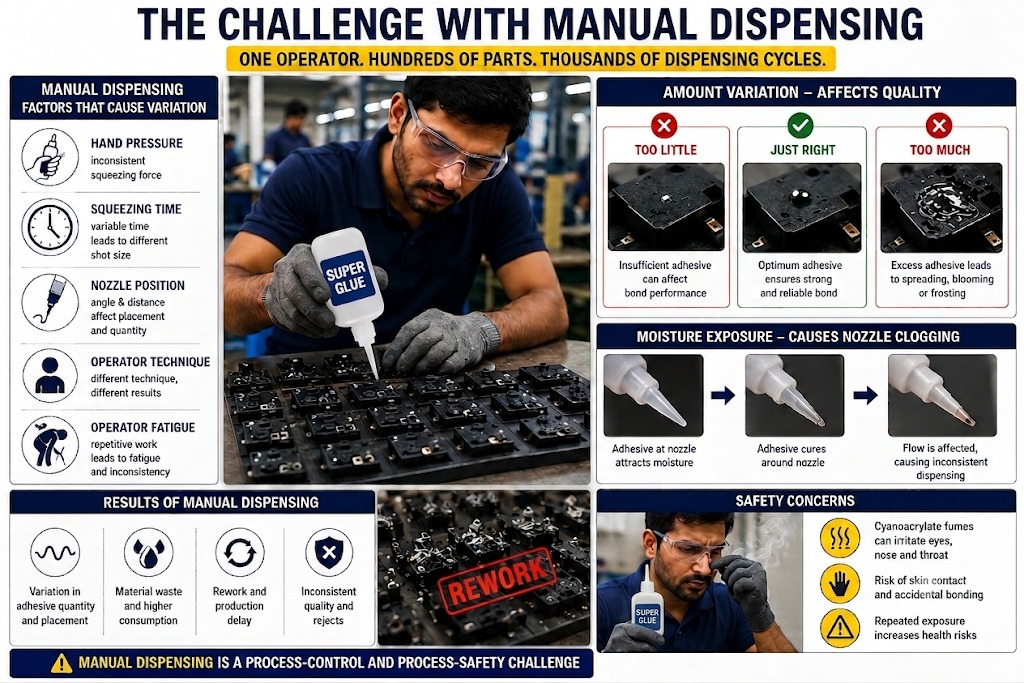
One operator. Hundreds of parts. Thousands of dispensing cycles.
Applying Instant Adhesive— whether from a Fevikwik bottle, a Loctite 401 applicator, or any other instant adhesive container — with a small squeeze bottle may appear simple, but hand pressure, squeezing time, nozzle position, and operator technique can all influence adhesive quantity and placement. Repetitive application can also contribute to operator fatigue.
Too much adhesive may lead to spreading, blooming, or frosting, while too little can affect bond performance. Moisture exposure can also cause adhesive to cure around the nozzle and gradually affect flow.
What starts as a simple manual task can therefore become a source of variation, material waste, rework, and inconsistent quality.
There is also a safety consideration. Repeated manual application can expose operators to Instant Adhesive fumes and increase the possibility of direct adhesive contact. Reducing unnecessary operator exposure is therefore an important part of designing a controlled dispensing process.
It becomes both a process-control and process-safety challenge.
From Manual Application to Controlled Glue Dispensing
For many manufacturers, the natural next step is to introduce a glue dispensing system. And that makes sense. A controlled glue dispenser can reduce operator dependency, improve shot repeatability, and make the application process easier to standardize.
But selecting a dispenser is only the beginning.
Reliable Instant Adhesive dispensing requires several variables to work together — from adhesive supply and pressure control to dispensing time, moisture management, valve design, and final application. If any one of these is poorly controlled, the process can still become inconsistent.
The challenge may not appear in the first few cycles. With Instant adhesive — whether Loctite 401, Loctite 406, Fevikwik, or similar grades — repeated exposure to moisture can cause adhesive to cure within a conventional wetting-type valve, gradually leading to buildup around the valve mechanism. Over time, this can result in inconsistent flow, changes in shot size, clogging, frequent cleaning, and production interruptions.
What was intended to eliminate manual variation can therefore create a different maintenance challenge.
This is why the right question is not simply: “Do we need a glue dispenser?
It is: “Is the dispensing system designed to handle my Instant Adhesive reliably over time?
ADoST — Designed Around the Instant Adhesive
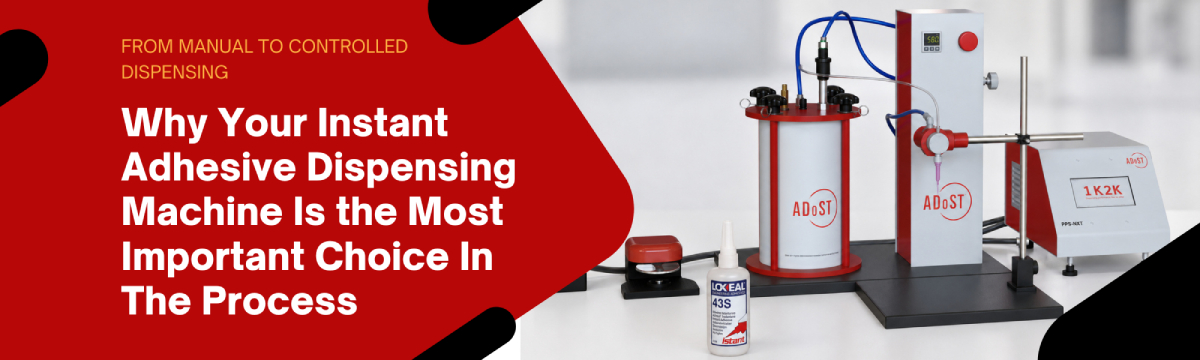
This is the approach behind the ADoST PPS Series Instant adhesive dispensing machine — including the ADoST PPS-PLS, ADoST PPS-NXT, and ADoST PPS-PRO.
Reliable Instant Adhesives dispensing requires multiple variables to work together as one controlled process. Among them, the dispensing valve plays a particularly critical role. It is the point where controlled pressure and timing are translated into the actual adhesive application. Any inconsistency in the valve can directly affect shot size, flow, and placement — and ultimately compromise the performance of the dispensing system.
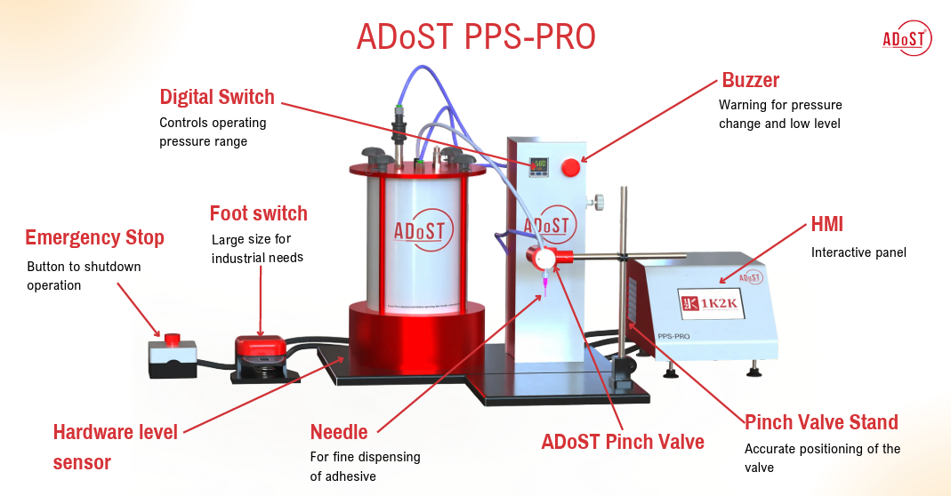
ADoST PPS-PRO Instant adhesive dispensing machine
Instead of treating the valve as just another component, ADoST designed its Pinch Valve around the behavior of Instant Adhesives itself.
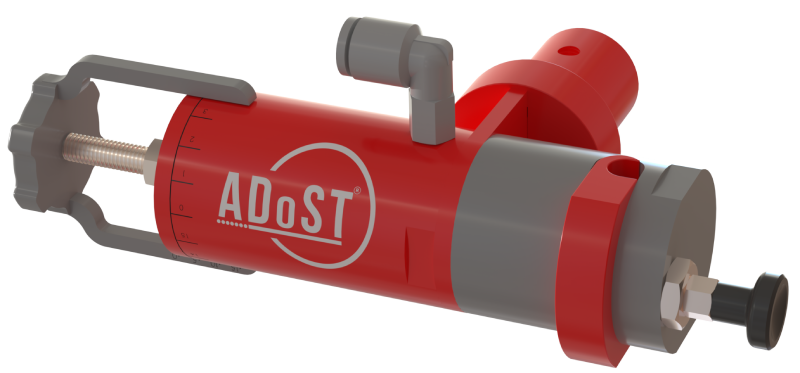
ADoST Pinch Valve
The ADoST Pinch Valve is a non-wetting design that keeps the adhesive away from the valve’s internal mechanical components. This eliminates the opportunity for Instant Adhesive to cure and build up around the valve mechanism, helping minimize clogging and routine cleaning while supporting consistent dispensing over repeated production cycles.
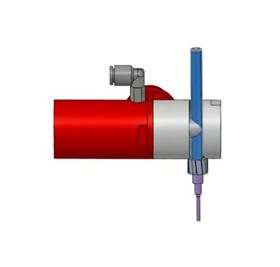
Valve in Closed State - No Flow
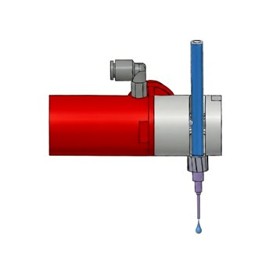
Valve in Open State- Dispensing Adhesive
The advantage is therefore not simply in how the valve dispenses adhesive, but in how its design manages the interaction between the Instant adhesive and the dispensing mechanism.
The ADoST Pinch Valve works as part of the complete ADoST PPS dispensing system, which combines a pressure-pot reservoir with a pressure-and-time dispensing principle to provide controlled and repeatable adhesive application. With dispensing accuracy of ±0.005 g, the system is suited to applications where repeatable shot size is critical — whether dispensing Loctite 401, Fevikwik, or any other Instant adhesive grade.
The ADoST PPS Series supports adhesive containers from 250gm to 2 litres, reducing the need for frequent refilling and unnecessary operator handling which exist in barrel or syringe dispensers.
Process Control and Operator Management
As an Instant adhesive dispensing machine, the ADoST PPS-NXT combines precision dispensing with process monitoring and operator management features.
The ADoST PPS-NXT features a 4.3-inch touchscreen HMI that provides intuitive control of the glue dispensing process. Operators can create, save, and recall up to 50 different dispensing programs, making it easier to manage different components or adhesive application requirements.
Operator lockout functionality helps prevent unauthorised changes to critical dispensing parameters, supporting process consistency across different operators and shifts. An integrated adhesive shot counter also helps track dispensing cycles and provides greater visibility into production activity.
The system provides additional process-monitoring features, including low adhesive level indication and pressure-change alerts, helping operators identify changes in dispensing conditions before they develop into larger production issues.
For applications requiring automated dispensing, the ADoST PPS Series — including the Instant Adhesive Dispensing Machine ADoST PPS-NXT — can also be integrated with desktop robots, allowing the cyanoacrylate glue dispensing process to be automated while maintaining controlled and repeatable adhesive delivery.
The Result — Consistent Cyanoacrylate Dispensing at Scale
In production, the real test of a dispensing system is not how well it performs during a demonstration. It is how consistently it performs after thousands of cycles, across different operators, and under everyday manufacturing conditions.
This is where ADoST PPS series dispensers have demonstrated their value.
Across India, Automotive Tier-1 and Tier-2 manufacturers using Instant Adhesives — including Loctite and Fevikwik-based applications — have adopted ADoST PPS-PLS, ADoST PPS-NXT, and ADoST PPS-PRO systems for applications where dispensing consistency, adhesive control, and process reliability are critical.
These implementations have come from real production challenges — not simply from the need to automate. Manufacturers were looking for better control over adhesive quantity and application, reduced operator dependency, and a Instant Adhesive dispensing process that could remain consistent over repeated production cycles.
Have a Instant Adhesive Dispensing Challenge?
If inconsistent shot size, adhesive buildup, manual variation, frequent valve cleaning, daily maintenance, or material waste are affecting your production process, the right glue dispensing approach can make a measurable difference.
Talk to ADoST to evaluate your application and identify the right Instant adhesive dispensing machine for your production process.